
AI is certainly a matter for much discussion in the Diocese of Egypt at the moment; not in terms of artificial intelligence but rather in terms of Anglican Identity.
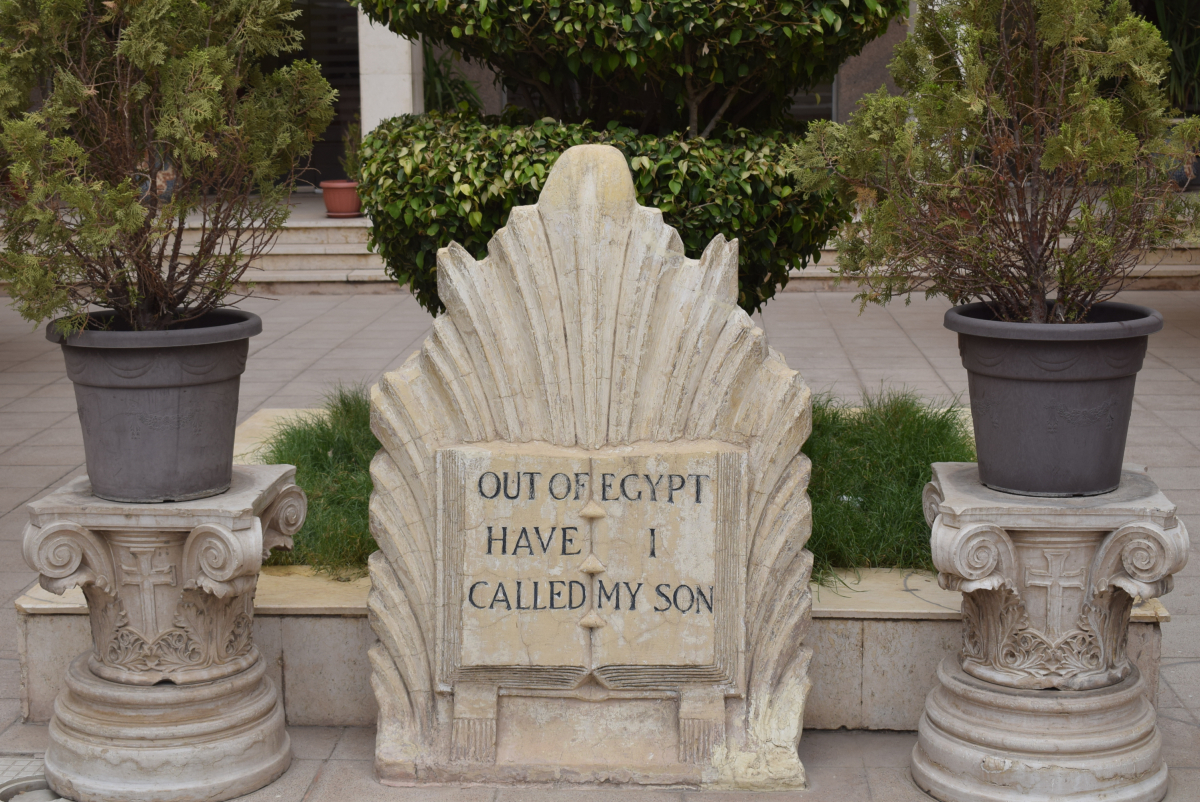
In February, at the initiative of Archbishop Samy, a new, potentially four-year, Anglican Track study course is being rolled out. The intended participants will be Church leaders, both lay and ordained, together with those who want to do serious academic study about Anglican heritage and those who are discerning a possible vocation to ministry. So far 85 people have registered as the first cohort. They will receive presentations of life experiences describing what Anglicanism has meant to a variety of people. There will be a lecture course, in which Archbishop Samy will participate, with sessions on the history and mission of the Anglican Church, particularly in Egypt, exploring what it means to be an Anglican in Egypt today. Specialist teachers will be brought in to address specific subjects such as the 39 Articles.
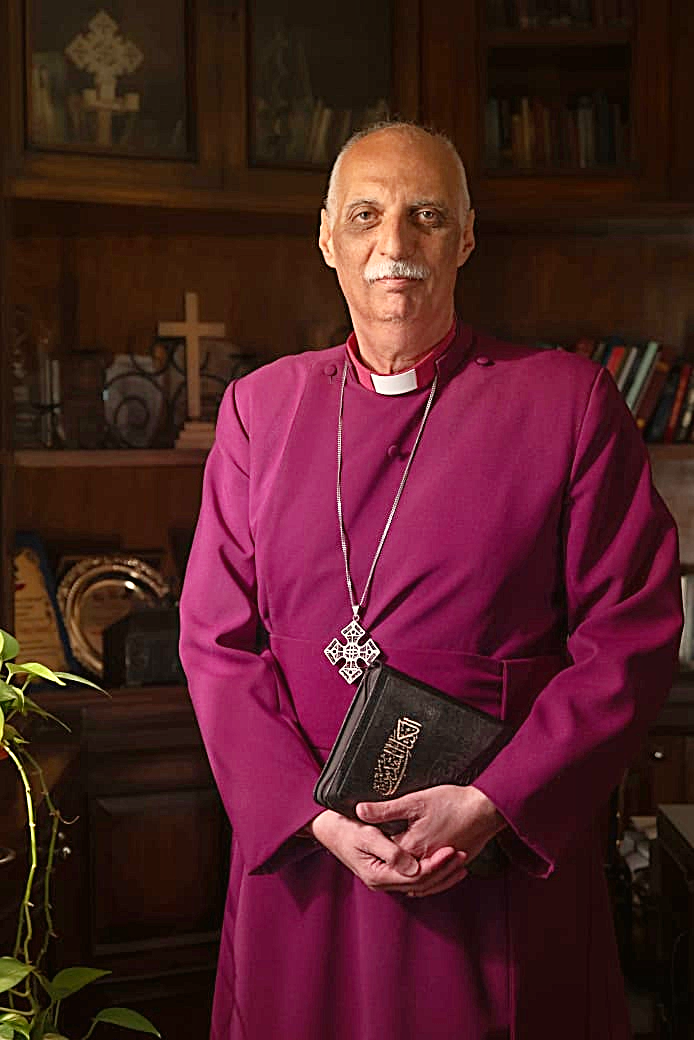
When I met the Archbishop recently he was happy to reflect on all that is best in Anglicanism as far as he is concerned. He welcomes both its freedom and its friendship: its freedom for each branch of the family to adapt to its own context and the friendship which endures between Provinces despite differences. He loves its focus on scripture, liturgy and the Book of Common Prayer, and if pressed to say what is the best thing for him about Anglicanism he would plump for Anglican liturgy, and the creative way in which its liturgy includes scripture.
Archbishop Samy is a member of the Anglican Church’s body that opines on questions of Faith and Order. A Report due be discussed at ACC next year covers three important areas. The first considers whether some redefinition is required of what it means to be Anglican today (and suggests that it is). The second refers to the relationship between the Provinces of the Communion and Canterbury; and the third concerns the limits of the Communion, and what kind of connection to it there may be for Churches that want to maintain a link whilst recognising that the Communion is in a sense broken. All of which makes this an important time to give priority to questions around Anglican Identity.
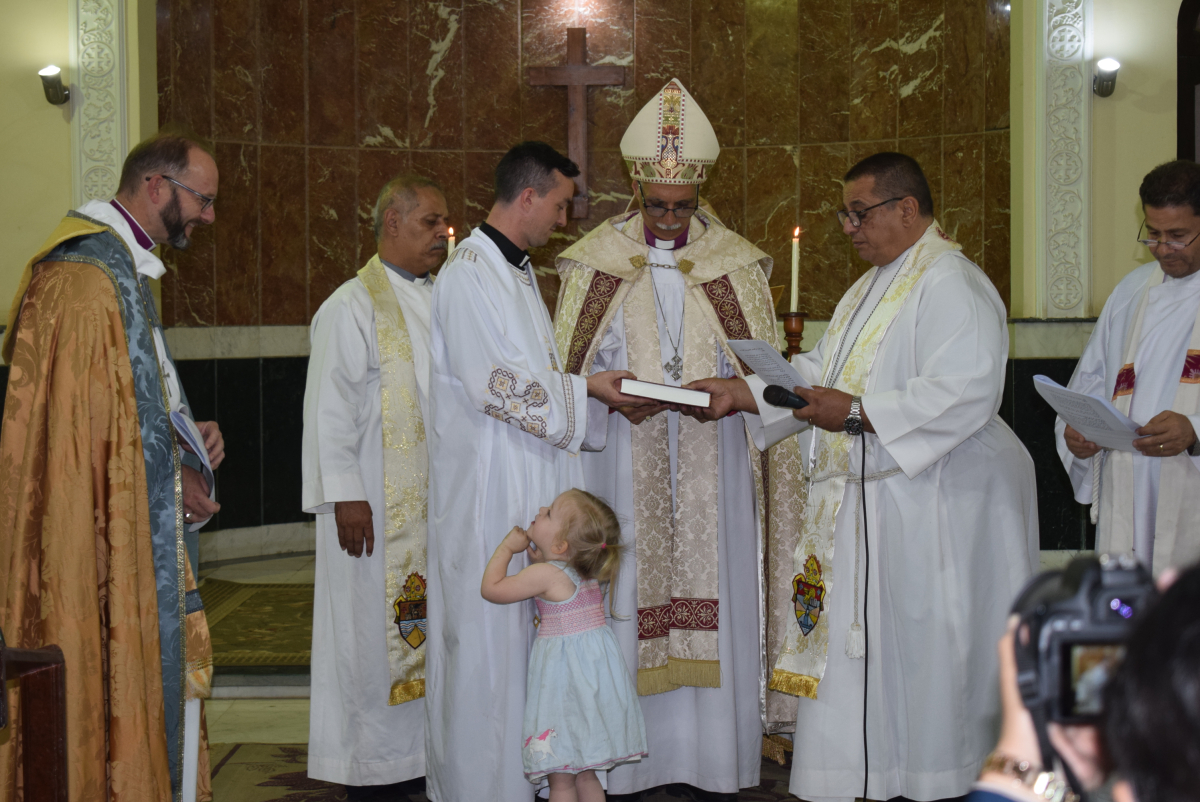
Archbishop Samy is first and foremost a Primate and Diocesan Bishop and he is eager to talk about his Diocese and Province with its many practical examples of Anglican identity. This year saw the appointment and installation of the final bishop to make up the four of the new Province of Alexandria. The Archbishop thinks it is “a wonderful thing” to have leaders in situ in their Dioceses, thus able to communicate more directly with secular and religious leaders in their own areas, and so build creative relationships, for the good of society. Local dialogue is always important, he maintains, with an overall aim of “reflecting the life of Christ to our neighbours.”
Meanwhile, the Church in the Diocese of Egypt continues to thrive with new plants blossoming. The Archbishop points to one such plant in Ismailia – a plant from Port Said – which meets in a Maronite Church on Tuesdays and already has a congregation of 60-70. New churches are also being formed by Sudanese refugees. One in Badr in the New City area has a regular congregation of 150-160. The influx of refugees, particularly from Sudan is a significant factor in church life in many ways. Some estimates number over eight million newcomers to Egypt.
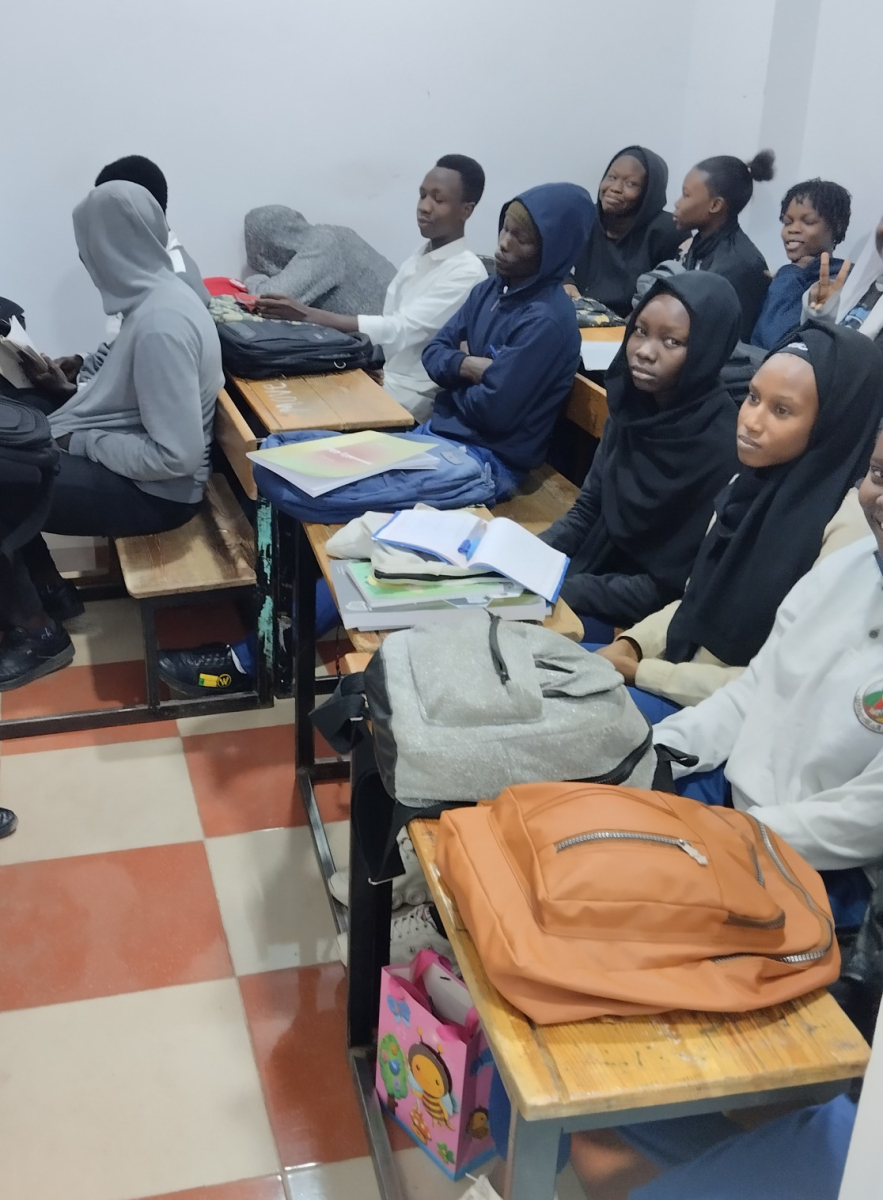
The Diocese has an honourable history in its dealing with refugees dating back to the 1980s when Bishop Ghais opened up the crypt in the cathedral to give refugees shelter. All Saints cathedral has become famous in the conversation of refugees, it seems. “The first place they look for when they come to Cairo is All Saints,” says the Archbishop, smiling. The work continues with clinics, workshops, programmes for integration, schools, and worship facilities. An archdeacon has recently been appointed with specific responsibility for the Sudanese, archdeacon Yasser. And that is only one of the Diocesan missions.
All of these things are practical examples of Anglican identity. Archbishop Samy is clearly someone who really cares about the faith handed on to his generation, determined to understand what Anglican identity means in Egypt today and who is passionately committed to the Church’s ministries in society.
If you would like to support the work of the Diocese of Egypt you can donate here