
Readers will be aware of the innovative and creative work done by the Centre for Christian Muslim Understanding and Partnership (CCMUP), one of the missions of the Diocese of Egypt.
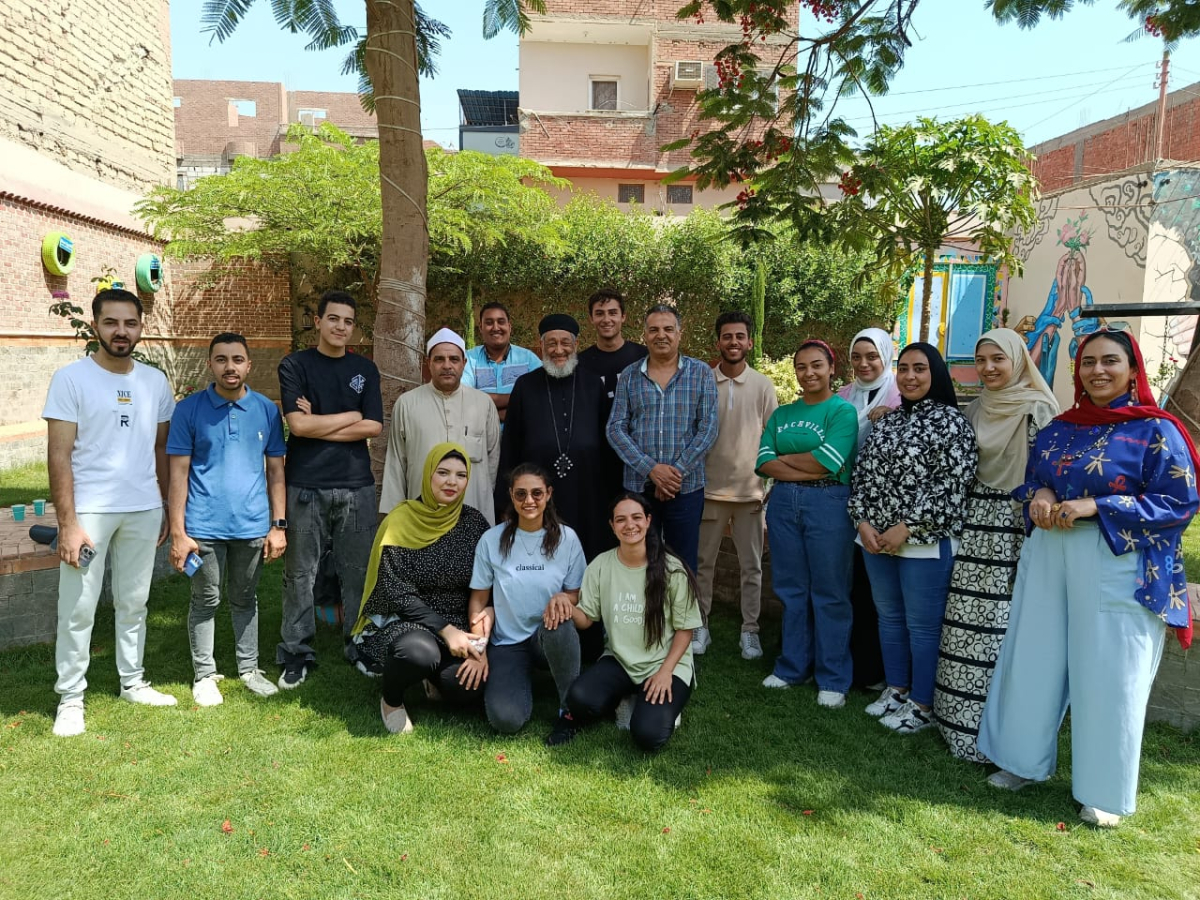 Previous posts have described the work of the Arts-based group Gusour (meaning bridges in Arabic), which brings together young people of all faiths and none to learn more about each other’s cultures through participation in artistic activities. Some of these, such as music, have led to a complete orchestra being formed. Others have concentrated on the dramatic arts and led to both new learning and performances. There is even a Film Club. You may also have seen the development of the Granita Restaurant on the cathedral campus, devised as a place where it was safe for all to meet, and which has become one of the swishest places to eat in the Zamalek area of the city. There have been other reports posted on this website of boundary-crossing and confidence building conferences.
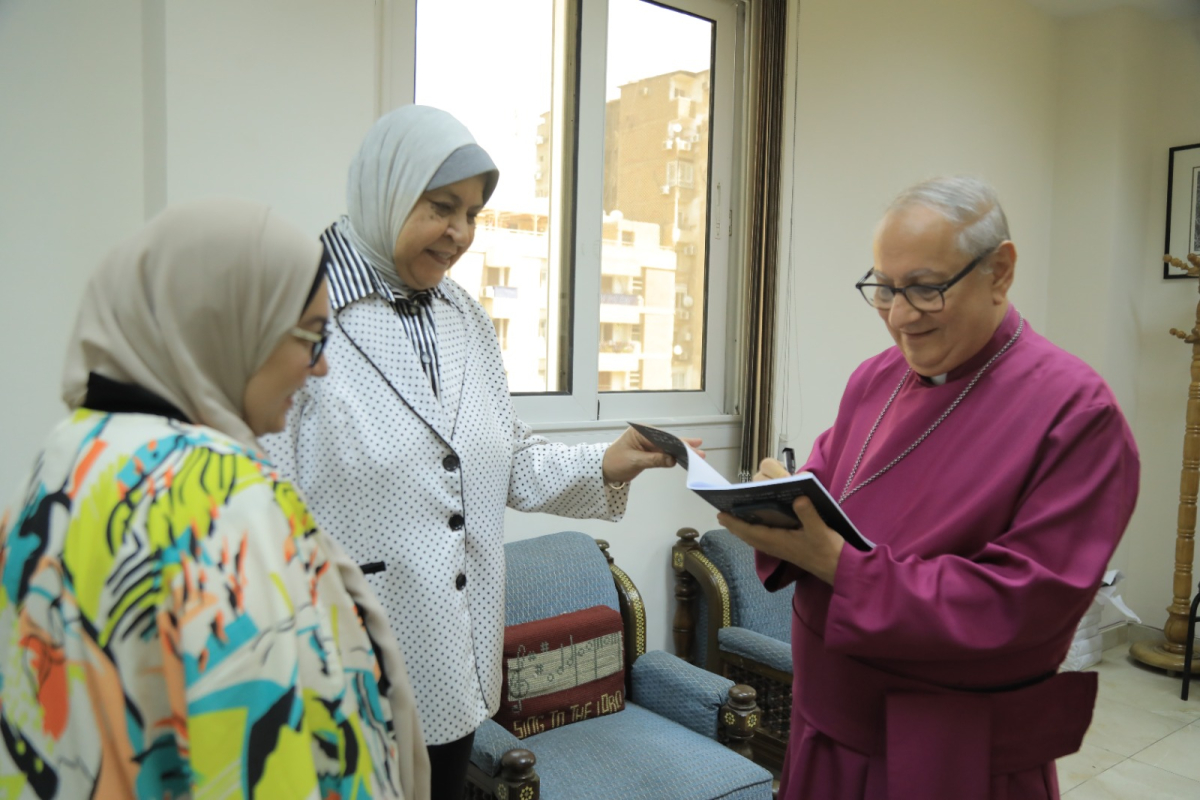 Now, with the support of the Dutch and Irish governments, a series of conflict resolution and peace- building workshops has been held in centres throughout the country. This initiative owes much to the energy and vision of Archbishop Emeritus Mouneer and is fully supported by his successor Archbishop Samy. The sessions are highly valued by each of the communities taking part, and for the Anglicans this is one more example of being (as the Diocesan motto describes it) “a Living Church for a Better Society.”
Archbishop Mouneer describes with characteristic enthusiasm the ground covered by the workshops. Groups study sacred texts from a variety of cultures that describe peacebuilding, to establish common ground. They look at the concept of citizenship with the aid of a document signed both by Pope Francis and the Grand Imam, “Human Fraternity.” This invites discussion of the rights of women and children and the marginalised; and the concept of sacred space in communities.
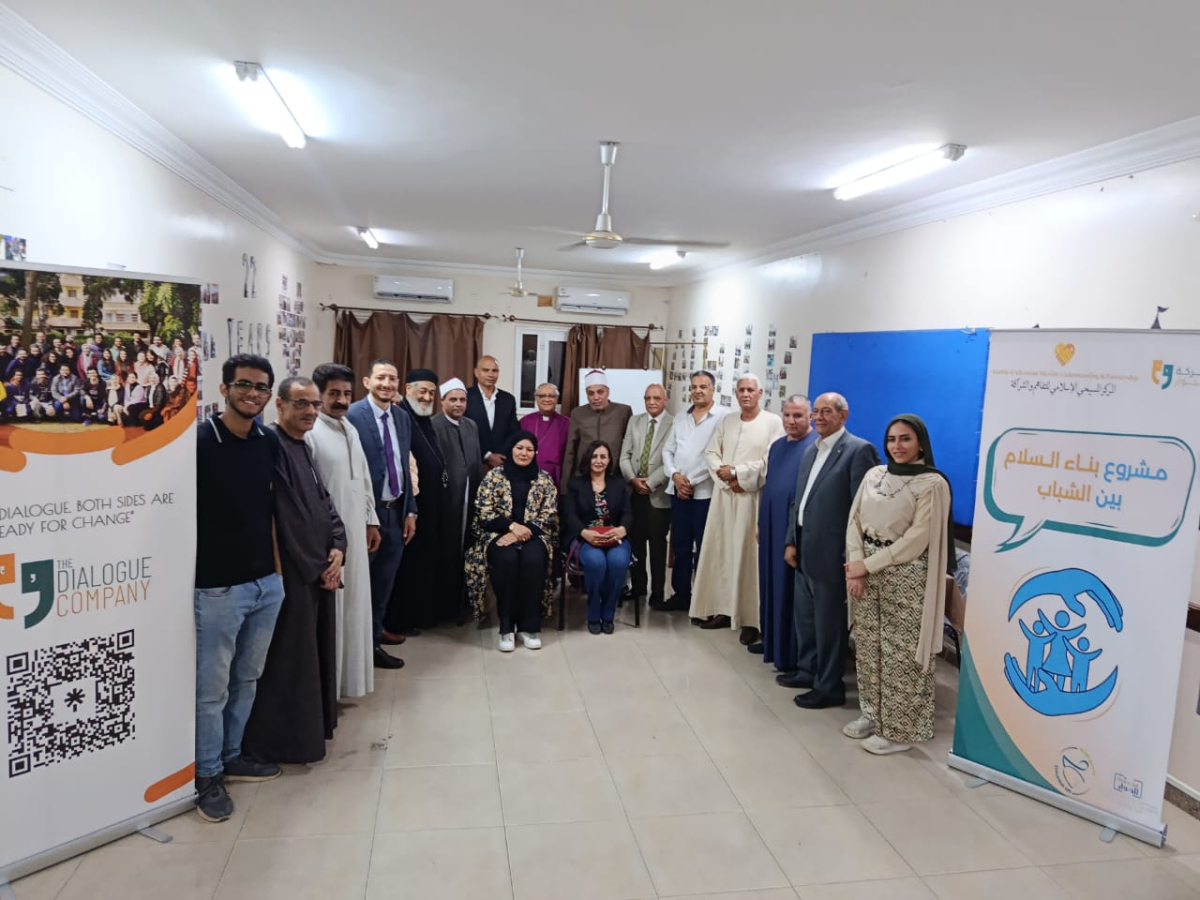 They take head on, sources of sectarian dispute and violence, which are often based on misconceptions (Christians use magic because they burn incense; or Christians believe in three gods); and they look at common problems such as those that are raised by mixed marriages. The aim is to put these things in perspective. On the intentional side, participants are introduced to positive steps in peace-making such as developing listening skills, learning the role of a mediator, and prevention initiatives. Forming mixed football teams is popular!
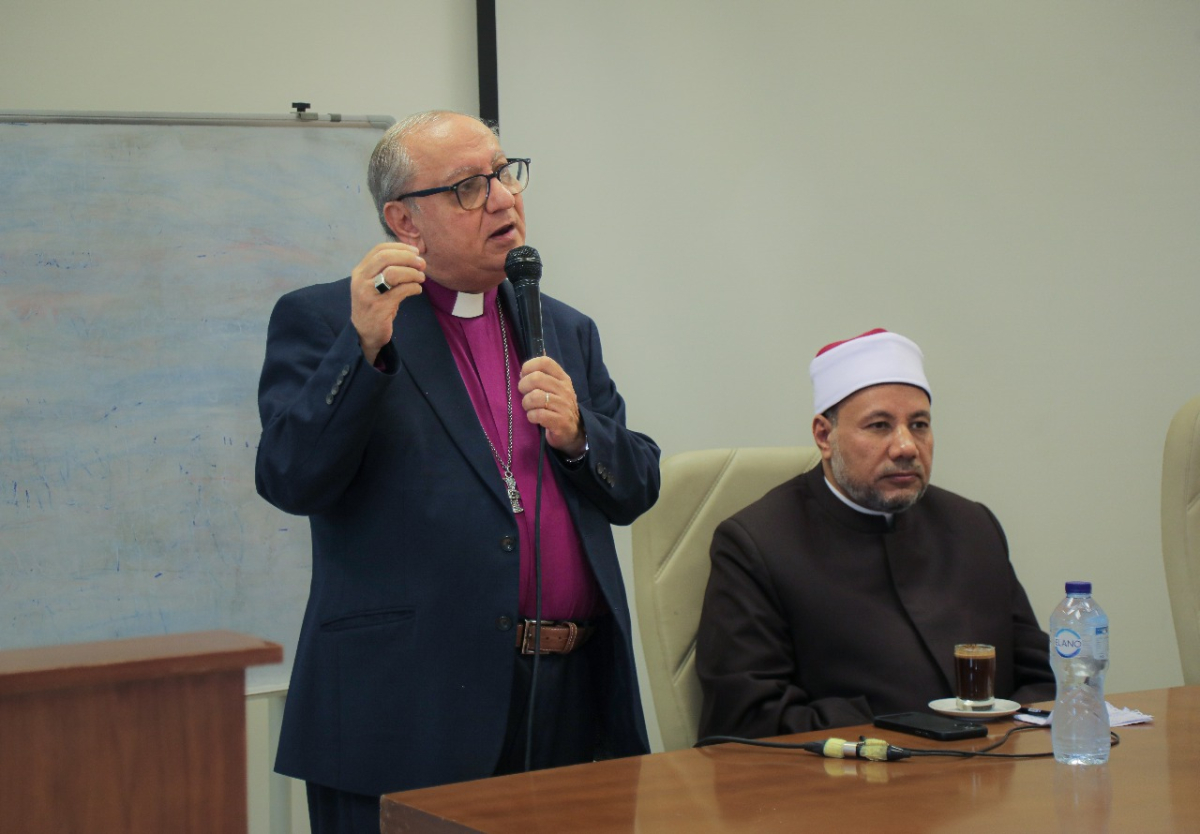 As confidence increases discussion is possible about common problems such as raising children, or care for the environment. It even becomes possible to discuss different views on religious subjects such as salvation: what does that mean to people today in Egypt? Exciting new initiatives are in development. The Learning Journey method, of different faiths learning together in a context which is safe, and in which the leaders have confidence. is certainly bringing results. Seeing this work is reminiscent of those post war attempts in Ulster, at Corrymela for example, to provide a context where each might meet “the other” whom they would otherwise have no chance to meet. That can only be good for Egypt, and can be an inspiration for all of us.
If you would like to support the work of the Diocese of Egypt you may donate here
All photos CCMUP