
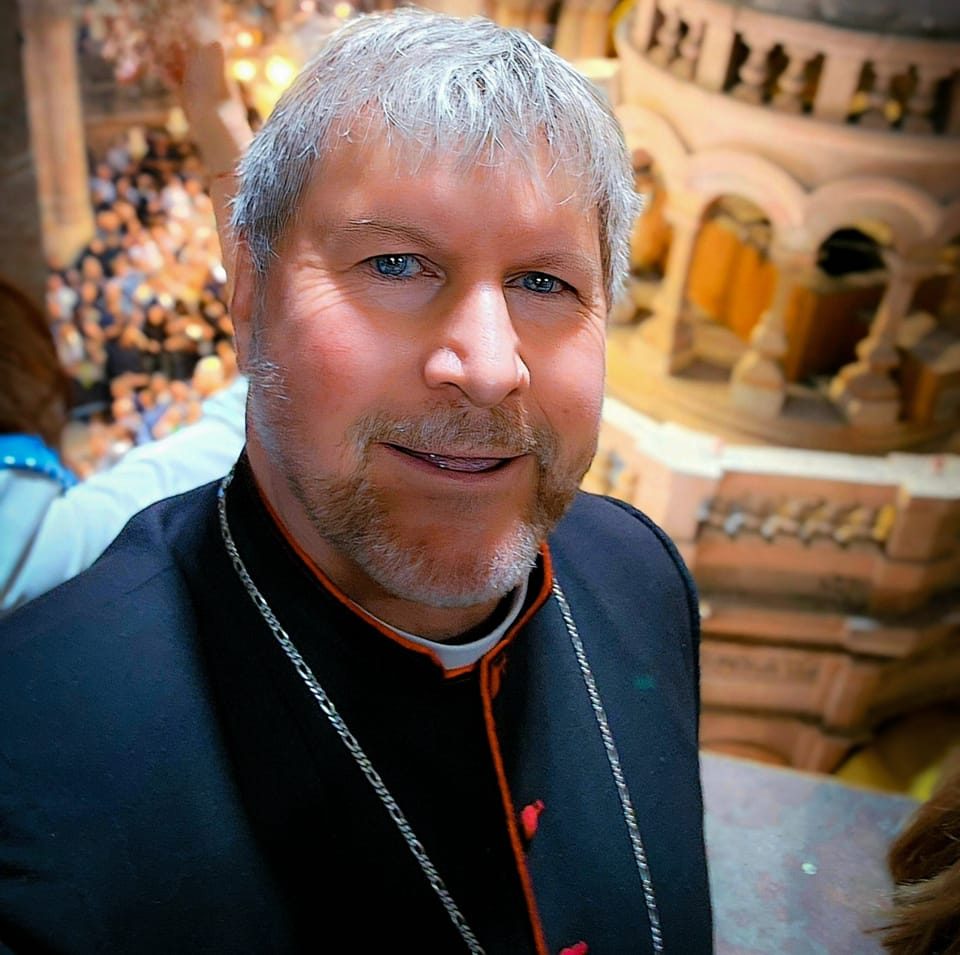
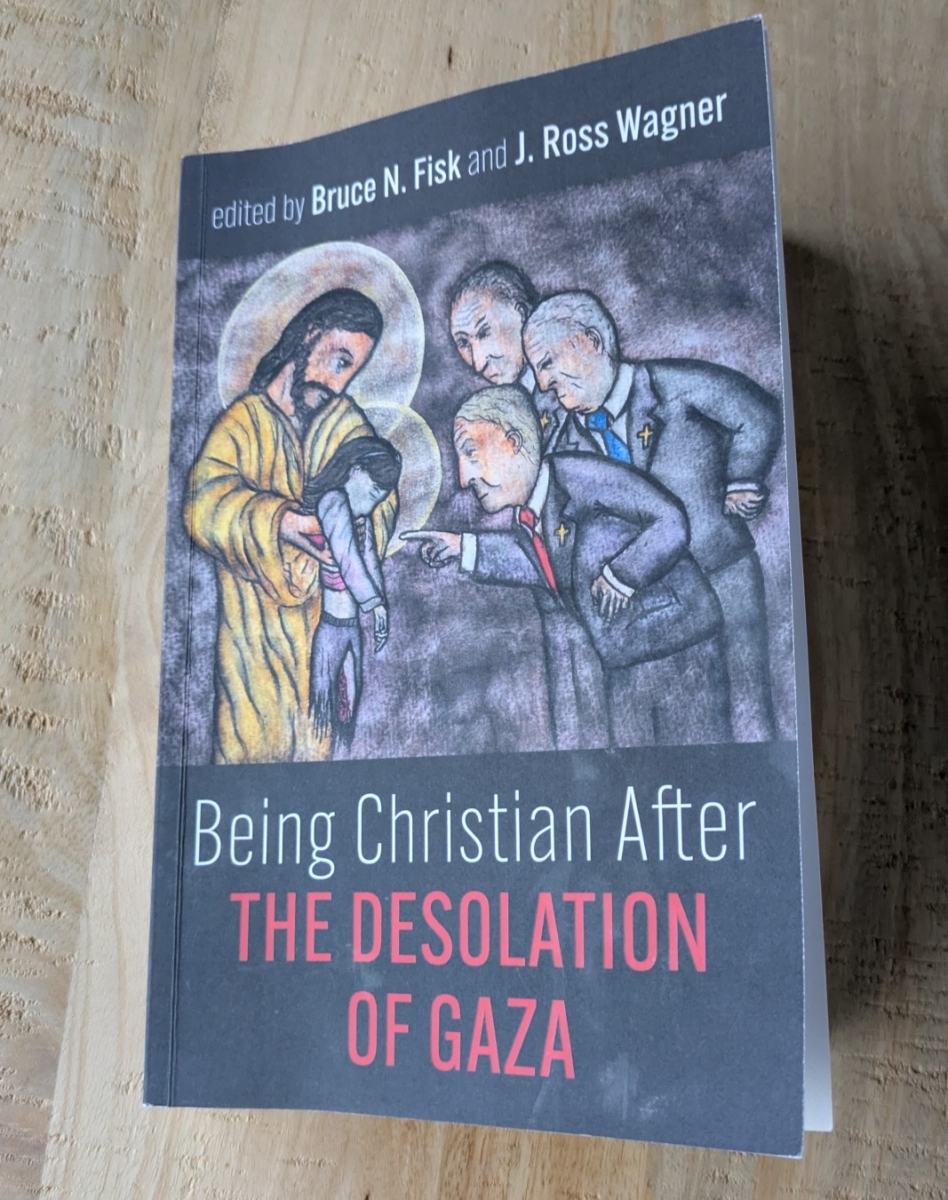
Canon Dr Don Binder, Archbishop Hosam’s Chaplain in Jerusalem is one of seventeen contributors to a recently published volume of essays whose challenge is expressed in its title: Being a Christian after the Desolation of Gaza
 Although the challenge is initially directed towards American Evangelical Christians, the questions raised are certainly not confined to that group. There is the challenge of avoiding a binary approach to the situation and seeing it as a war between right and wrong. There is the challenge of separating the events in Gaza from a Biblical framework which wasn’t meant to contain them. There is the perennial challenge for Christians through the ages of deciding the comparative merits of pacifism or engaging in a so-called just war. There is the challenge of fully understanding the wider contemporary setting of the conflict and the perspectives of its various constituencies.
Canon Don’s contribution is a fascinating expert insight into the way in which archaeology can be weaponised or used to justify questionable actions. Some archaeology is not neutral. It can set out to find evidence to support political or cultural claims, depending on which layer of civilisation is carefully uncovered, and which is bulldozed over. In a situation where, whose land is it? and whose cultural heritage? are questions at the heart of conflicts, archaeology is a sensitive and contemporary issue.
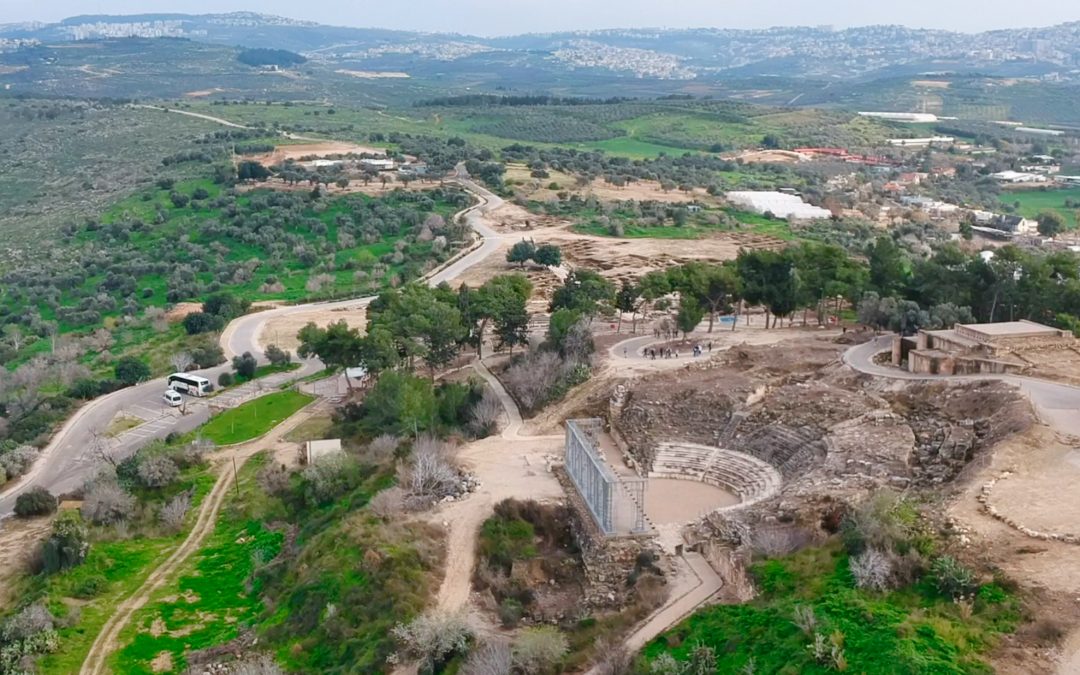
Don provides a revealing account of the law which governs this activity, and the importance of cultural artefacts as they help to make the kind of connections that enable the story of a civilisation to be told and remembered. He cites some disturbing examples. Sepphoris, which features on many Holy Land tour itineraries, a town near Nazareth where it is claimed by tour guides Joseph may well have worked as a carpenter and which contains notable mosaics, is one case in point. Until 1948 it was a substantial town in the region with a population of a few thousand. In that year the whole population was driven out and the town razed. Archaeology subsequently uncovered remains from the Roman period. Any hint of the several centuries of Palestinian residence there have been removed. It is now an Israeli National Park.
Several examples are to be found in Jerusalem from both the Israeli Jewish and the Palestinian Muslim communities, each anxious to reveal their own period of occupancy and to ignore or even destroy evidence from other eras that are part of a different story. Fortunately there is also some limited good news, exemplified in the case of Tel Hadid/ Al Haditha near Ben Gurion airport. This too is the site of a village whose occupants were expelled in 1948, but here there is real cooperation and an attempt to tell a more complete story of the lived experience of Palestinians there.
 The article concludes by asking us to become informed about the issues involved; advocate for preserving the rich heritage of all groups in Israel/Palestine; look beyond what the tour guides and presentations want us to see and seek to encounter the ‘living stones’ in the land today.
A Review of the entire Volume will be published in the next edition of Bible Lands. The book is published by Wipf and Stock
You may donate here to the Diocese of Jerusalem